

Patricia Guéry
Consulting Oenologist • EVV Œnologie Groupe
Consultant at EVV Œnologie Groupe, providing strategic oenological guidance to our production process.
The origins of Château Perrou reach back to the historic village of Rouillac. Home for centuries to the Briançon and later the Madaillan families, the estate was joined with the La Baragoile vineyards in 2008 — following the purchase of the Bernajou winery by the Ponton d'Amécourt family in 2002 — to form today's Château Perrou-La-Baragoile.
In 2025 our château entered a new international era, acquired from the Famille d'Amécourt by a group of partners and investors determined to preserve its heritage and reveal its full potential. Choosing to turn the spotlight towards our wines, our terroir and the history of the estate rather than themselves, the new owners have dedicated their investment to safeguarding the property's long-term future.
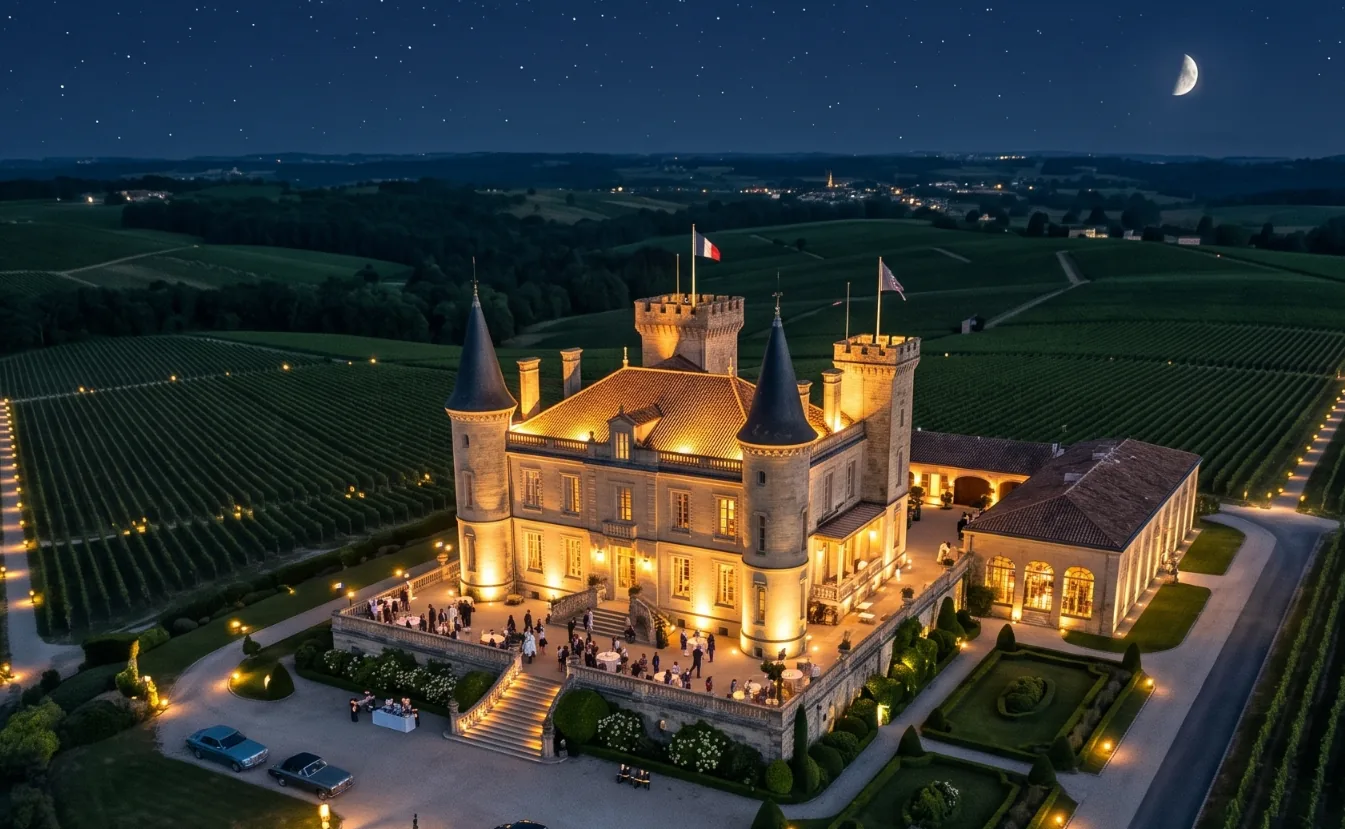
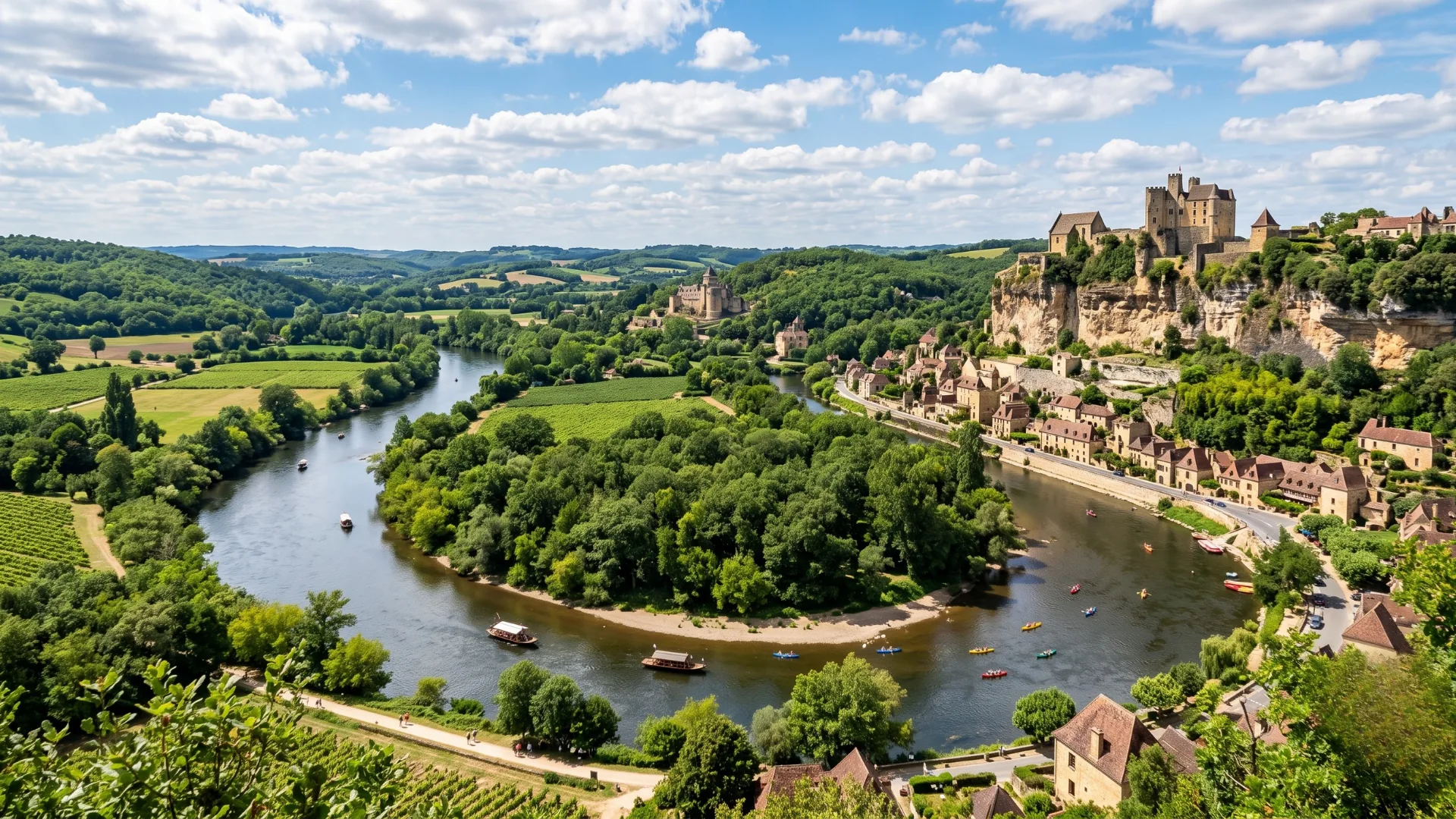
The word “Perrou” derives from “pierre”, the local word for stone. The vines of Château Perrou are planted on a limestone plateau 120 metres above sea level, overlooking the Dordogne and Gardonnette valleys.
Soil Structure: The soils are a mixture of limestone terraces (calcaire à astéries), clay and flint. The limestone balances the water stress of the vines; the clay gives the wines body and structure; the flint creates mineral depth.
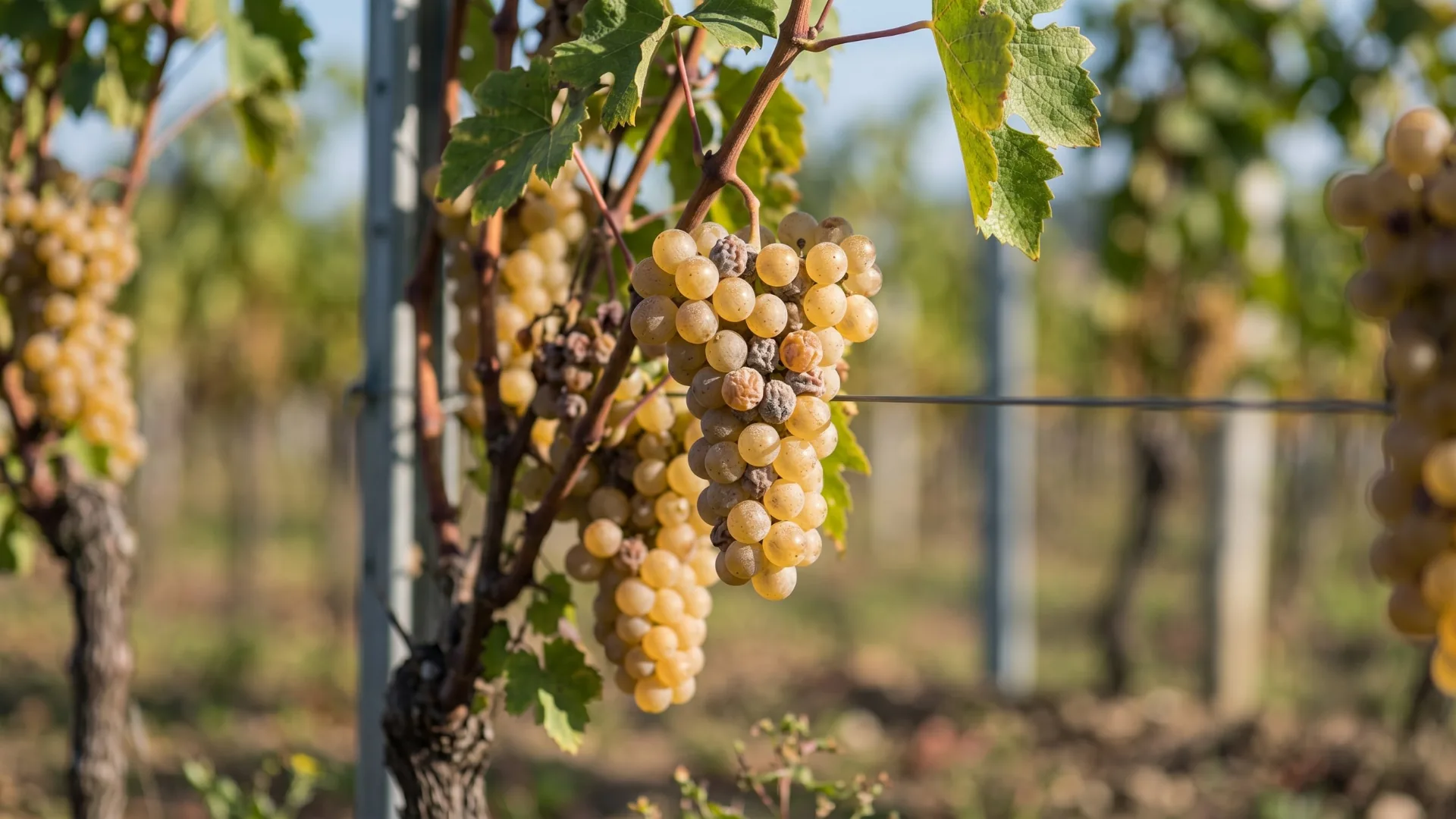
Microclimate Advantage: The steep south-facing slopes ensure the vines receive optimal sunlight throughout the day. Morning humidity rising from the river valley triggers the healthy development of noble rot (Botrytis cinerea).
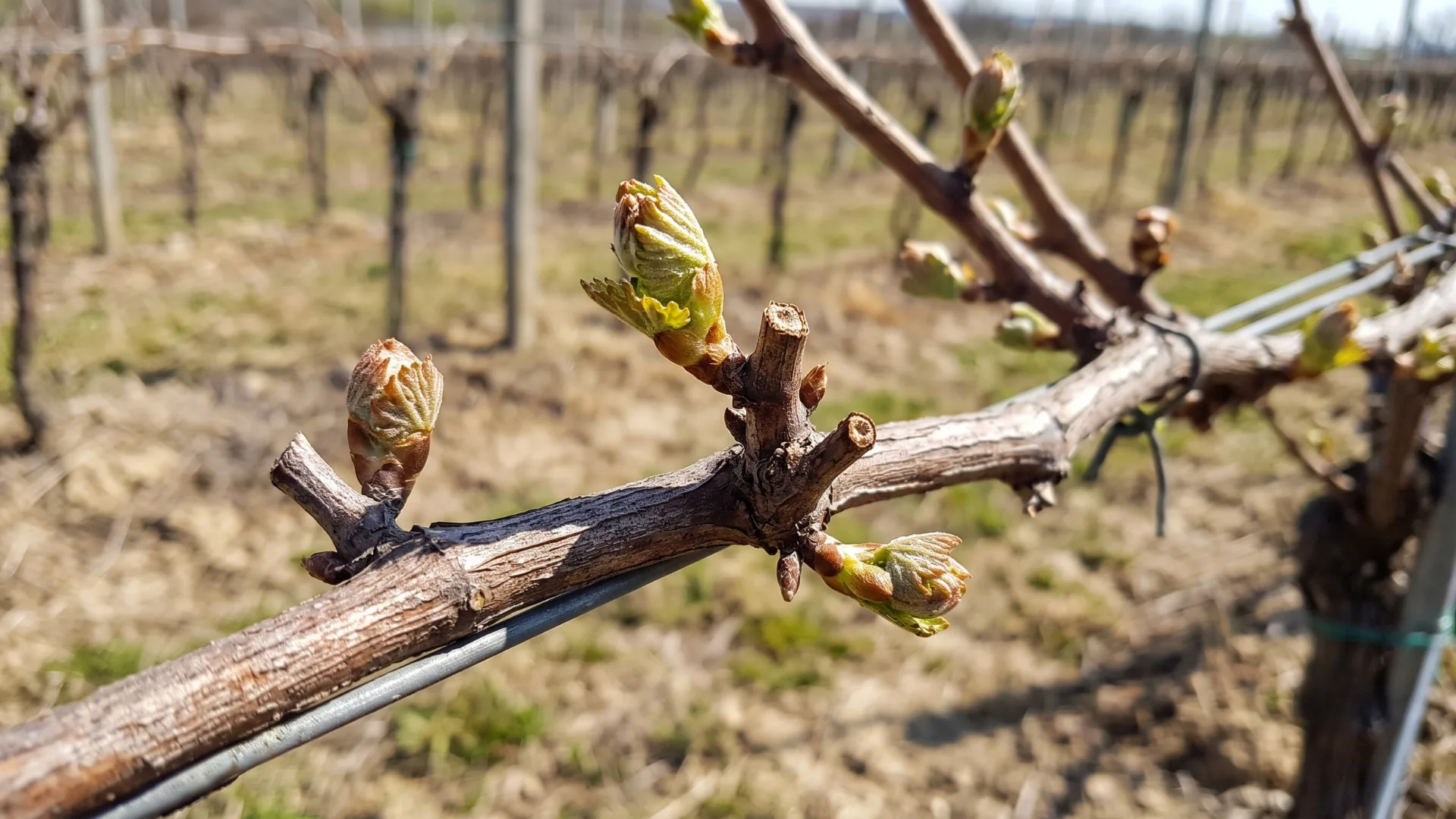
Sustainability is one of the château's priorities. With the new era, practices focused on responsible water management, waste recycling, local sourcing and the long-term protection of the vineyards are being progressively introduced.
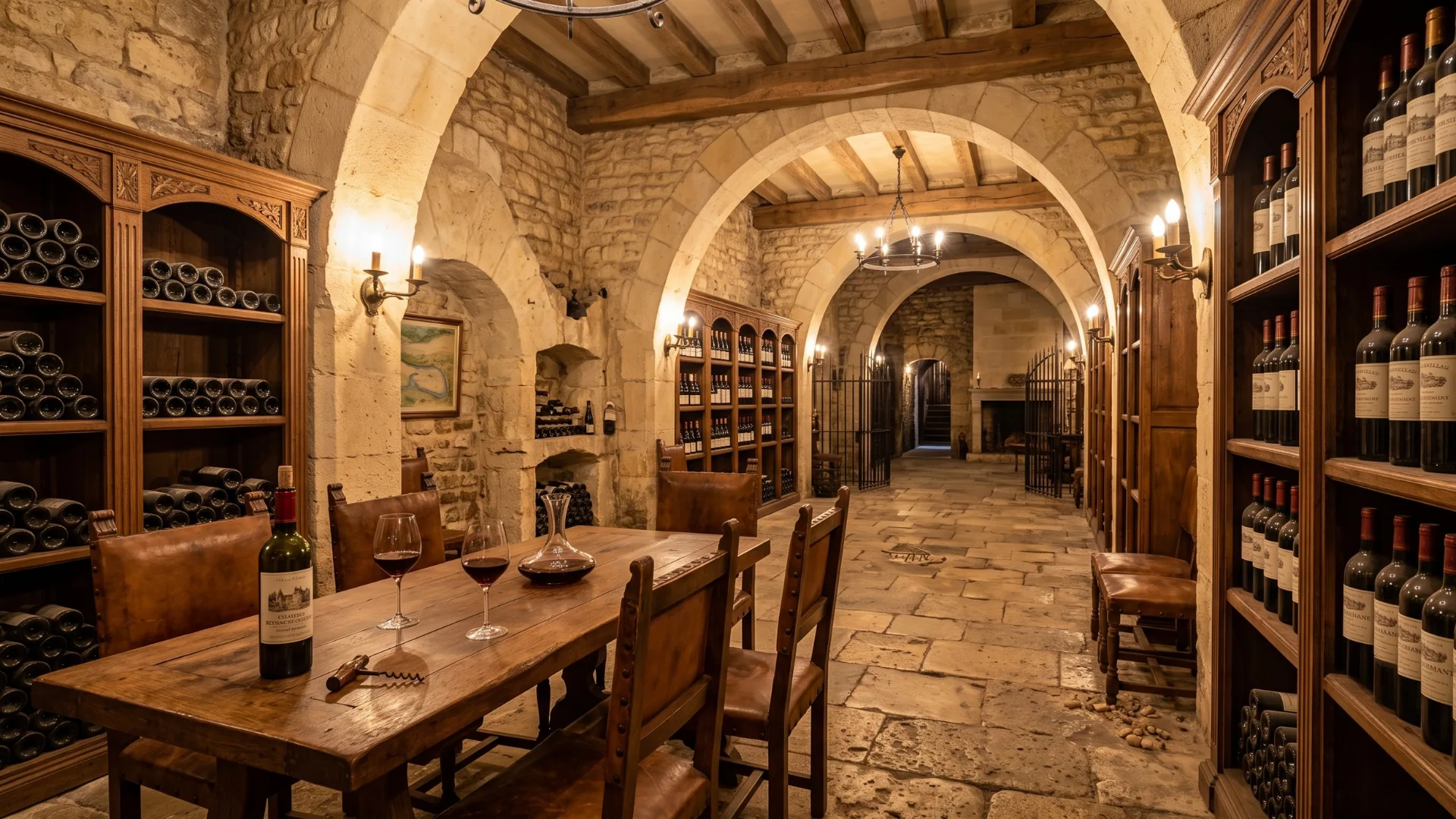
Production in the cellar uses water filtered from tanks fed solely by surface rainwater. The bottles are made of 80% recycled glass; the labels are printed in the nearby village of Sauveterre-de-Guyenne; the vine support stakes are made of Robinia, a naturally rot-resistant wood.
Historic Roots
The origins of Château Perrou lie in the historic village of Rouillac. For centuries the estate was home to the Briançon and later the Madaillan families.
2002
The Bernajou winery entered a new era when it was acquired by the Ponton d'Amécourt family.
2008
The union of the Bernajou winery with the La Baragoile vineyards gave rise to today's Château Perrou-La-Baragoile.
2025
The château opened a new chapter on the international stage, acquired from the Famille d'Amécourt by a group of partners and investors.
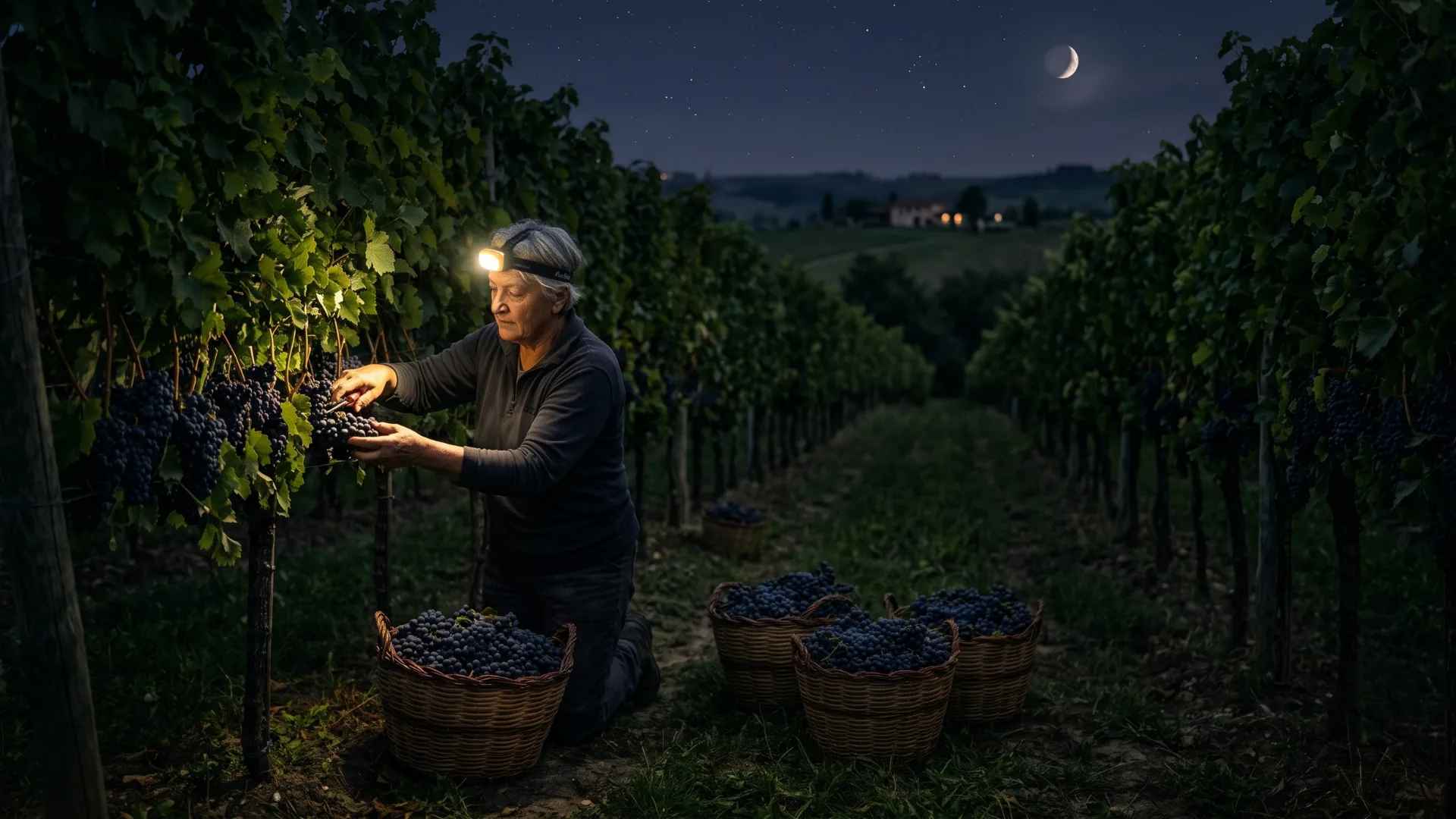
“A great wine is never rushed. It is the ultimate reward of those who know how to listen, in darkness and with complete patience, to the ancient whisper of the soil.”
Château Perrou-La-Baragoile is not merely a wine-producing business. It is a point of choice where the stubborn keepers of time meet the pure wisdom of nature. Every bottle is offered as a “Legacy Edition” — a living archive that will not be repeated, whose historical value grows steadily under the care of collectors.
Discover Our Vineyards →Our production is carried out under the strategic guidance of our consulting oenologist Patricia Guéry of EVV Œnologie Groupe. She is supported by an expert cellar master and team with many years of hands-on experience in the Bergerac region.
Consulting Oenologist • EVV Œnologie Groupe
Consultant at EVV Œnologie Groupe, providing strategic oenological guidance to our production process.
Bergerac Regional Team
An expert cellar master and team with many years of hands-on experience in the Bergerac region.